Maqam Nahawand
Lamma Bada Yatathanna — A Translation
Few pieces are as loved across the Arab world as “Lamma Bada Yatathanna” (لما بدا يتثنى). It’s a muwashshah — a sung poetic form born in Andalusian Spain a thousand years ago — set in a graceful 10-beat rhythmic cycle called Samai Thaqil. The words describe the moment someone the poet loves appears and sways into view, and the whole world tilts.
Because the poem is centuries old and passed down by tradition, I’ve made my own plain-English translation here — not to replace the Arabic, which is untranslatable in its music, but to open a door.
The refrain
لما بدا يتثنى Lammā badā yatathannā When my love appeared, swaying,
حبي جماله فتنا Ḥubbī jamāluhu fatannā their beauty undid me completely.
أومى بلحظه أسرنا Awmā bi-laḥẓihi asarnā A single glance, and I was captured —
غصن سبى حينما غنى Ghuṣnun sabā ḥīnamā ghannā a swaying branch that sang, and stole me away.
The lament
وعدي ويا حيرتي Waʿdī wa yā ḥīratī Oh my promise, oh my confusion,
ما لي رحيم شكوتي Mā lī raḥīmun shakwatī who is left to hear my complaint?
بالحب من لوعتي Bi-l-ḥubbi min lawʿatī Only love — and the ache of it —
إلا مليك الجمال Illā malīku-l-jamāl only the sovereign of all beauty.
On singing it
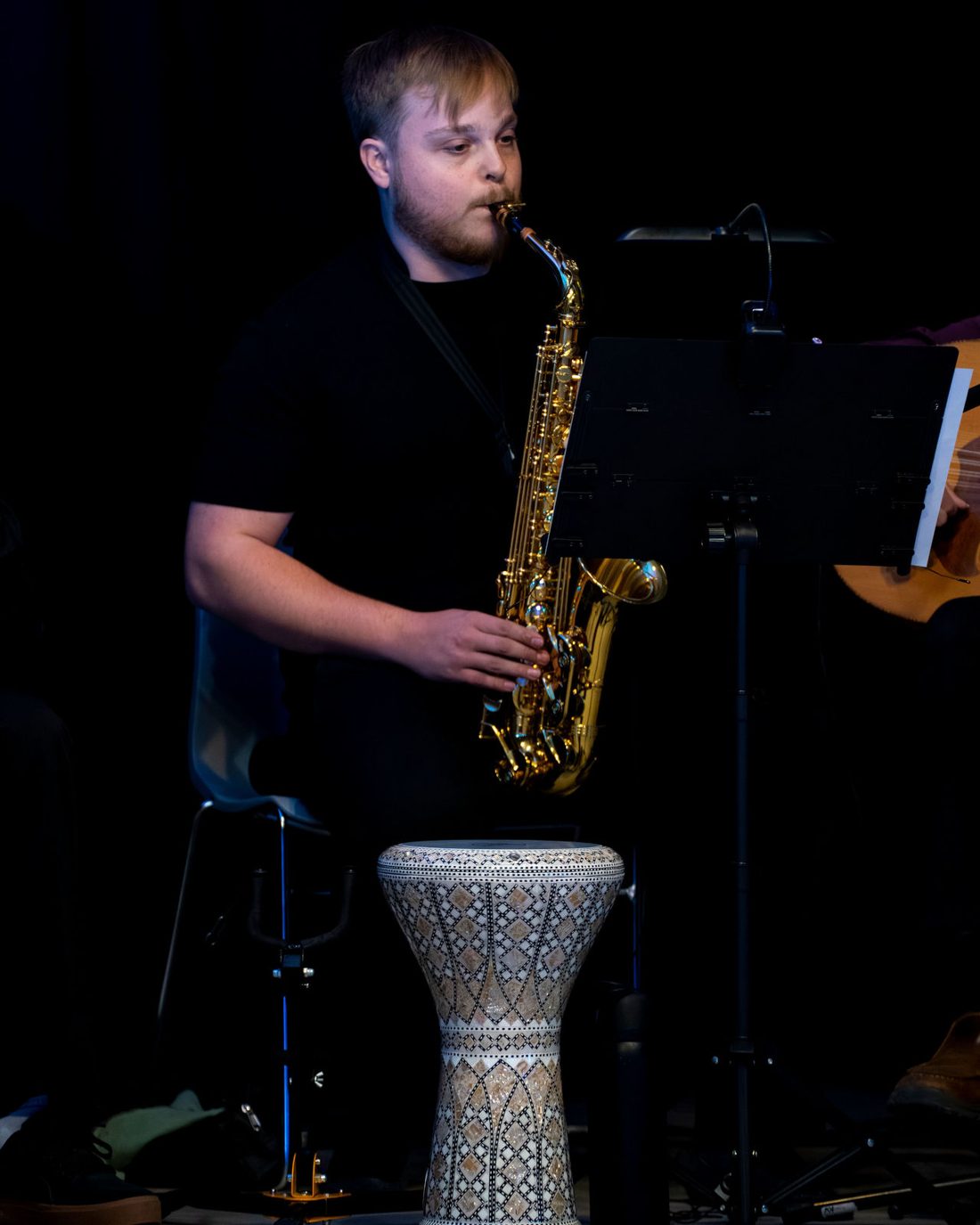
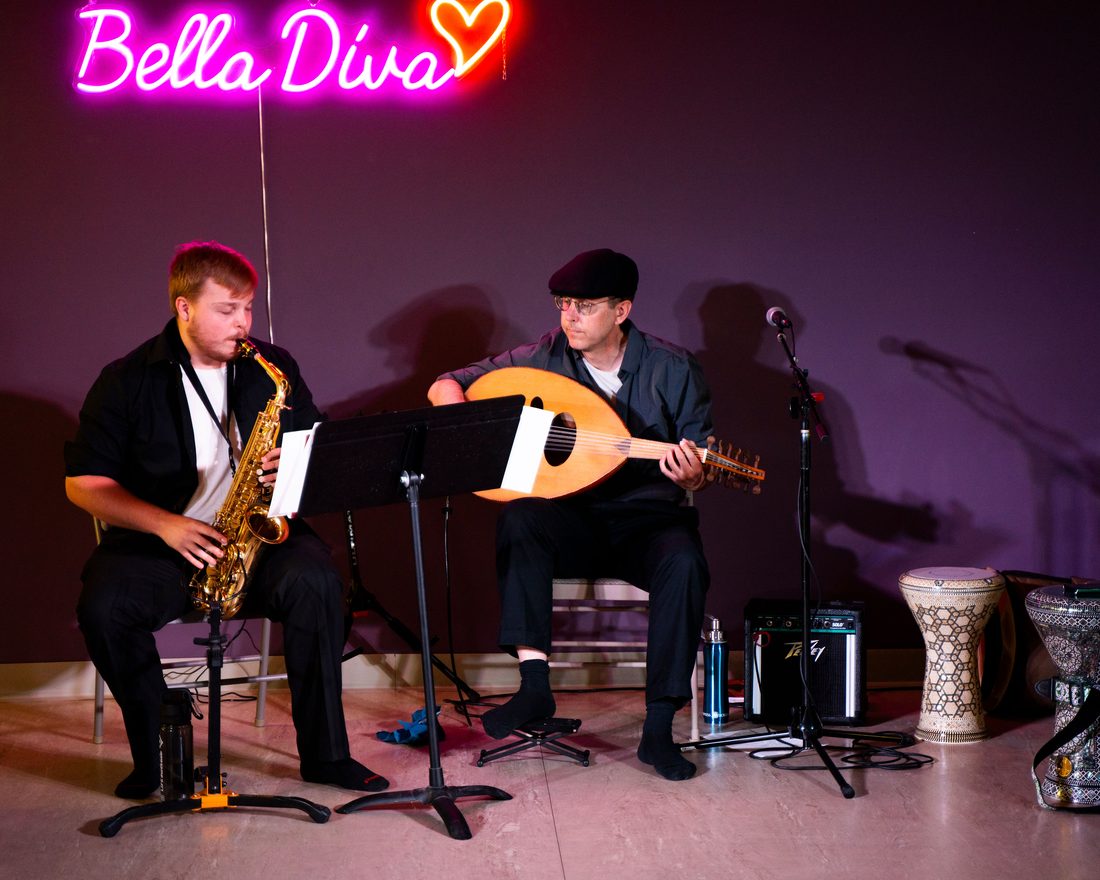
The genius of the muwashshah is how the melody leans on the long syllables — ba-dā, yatathan-nā — stretching them across the 10-beat cycle so the tune itself seems to sway like the beloved it describes. When I play it on saxophone I try to breathe where a singer would breathe, and to let the neutral tones of the maqam bend just slightly under the weight of the words.
Play it slowly. Let each line hang in the air. This is not music to be hurried.